A solution was needed that could operate autonomously, securely, and scalably, adapting to different usage contexts, delivery models—from B2B to B2C and C2C—and expansion needs. It was in this context that Bloq.it, then an early-stage tech startup, sought to develop its first physical product from the ground up.
After unsuccessful experiences with adapting conventional equipment, the goal was to create a proprietary system that would embody the company's vision and support its future growth. Everythink was invited to design this solution from the start, combining strategic design, product design, and engineering to create a physical infrastructure prepared to meet the demands of urban logistics.
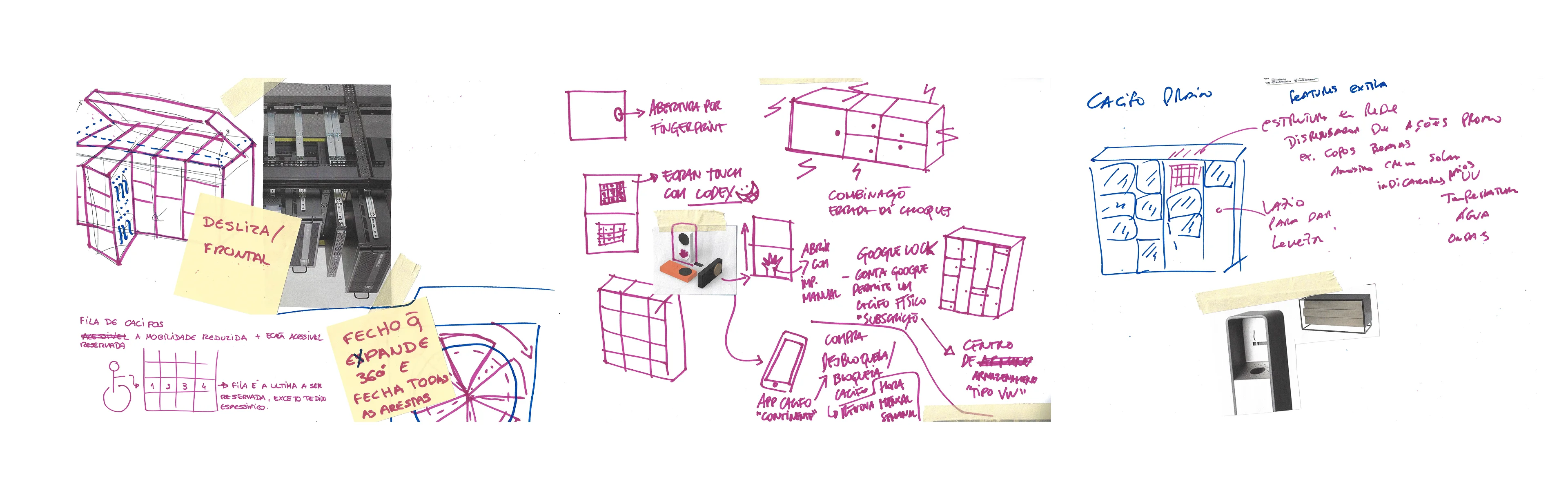
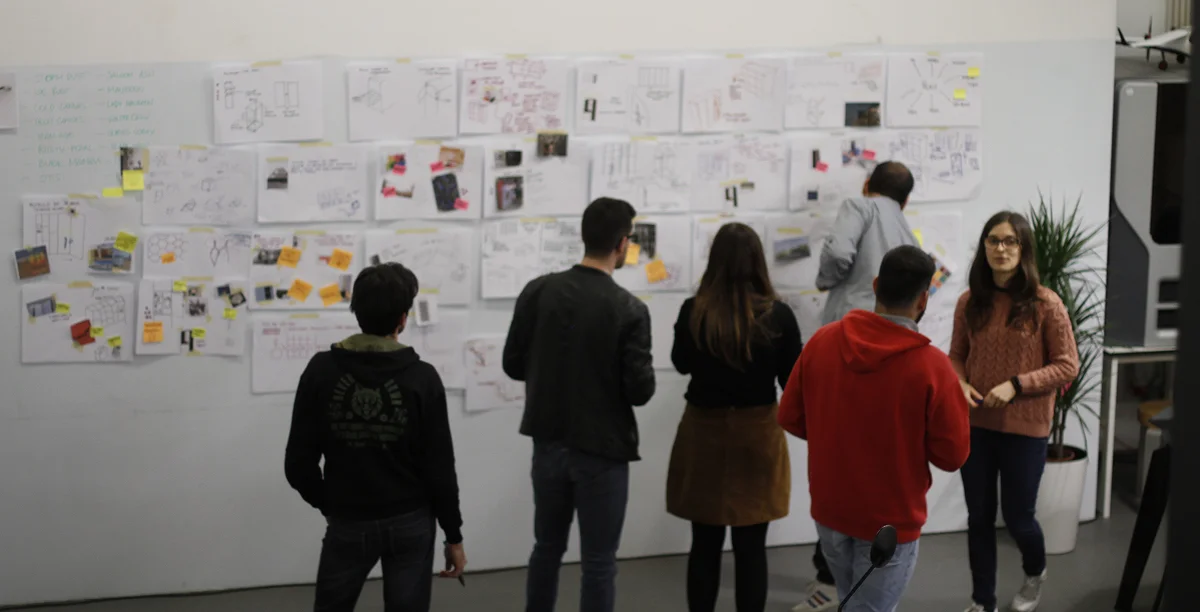
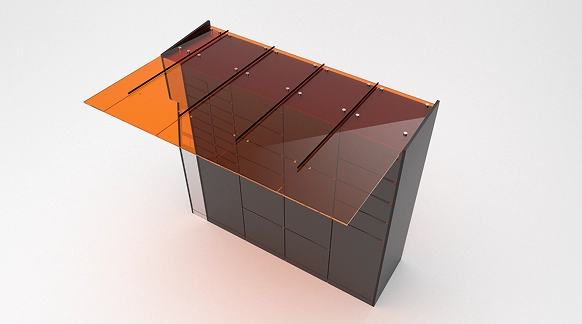
Development began with conceptual exploration and the definition of the equipment's visual identity, seeking a balance between urban presence, aesthetic neutrality, and differentiation. The solution evolved into a modular architecture designed to facilitate the manufacturing, installation, maintenance, and expansion of the system. All engineering was focused on integrating electronics, locking systems, and sensors in a robust and accessible way, while the selection of materials and components prioritized durability, resistance to intensive use, and protection against vandalism and intrusion attempts.
The result was a complete, modular, and scalable Smart Locker system, composed of units of different sizes and prepared to address multiple use cases. The formal, solid, and discreet language was conceived as a "blank canvas," allowing for graphic customization by operators, clients, and partners across different cities and markets.
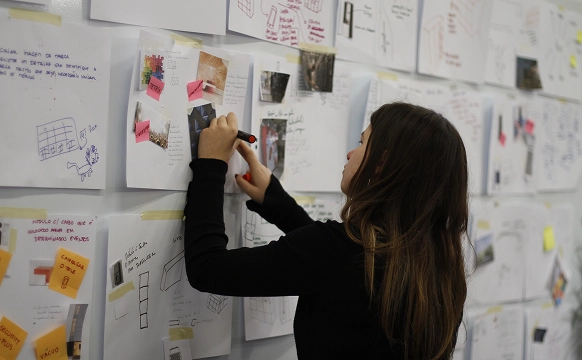
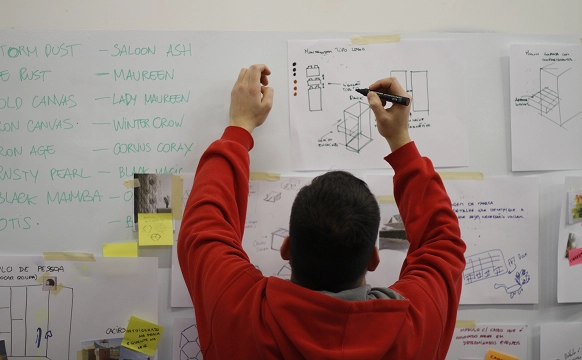
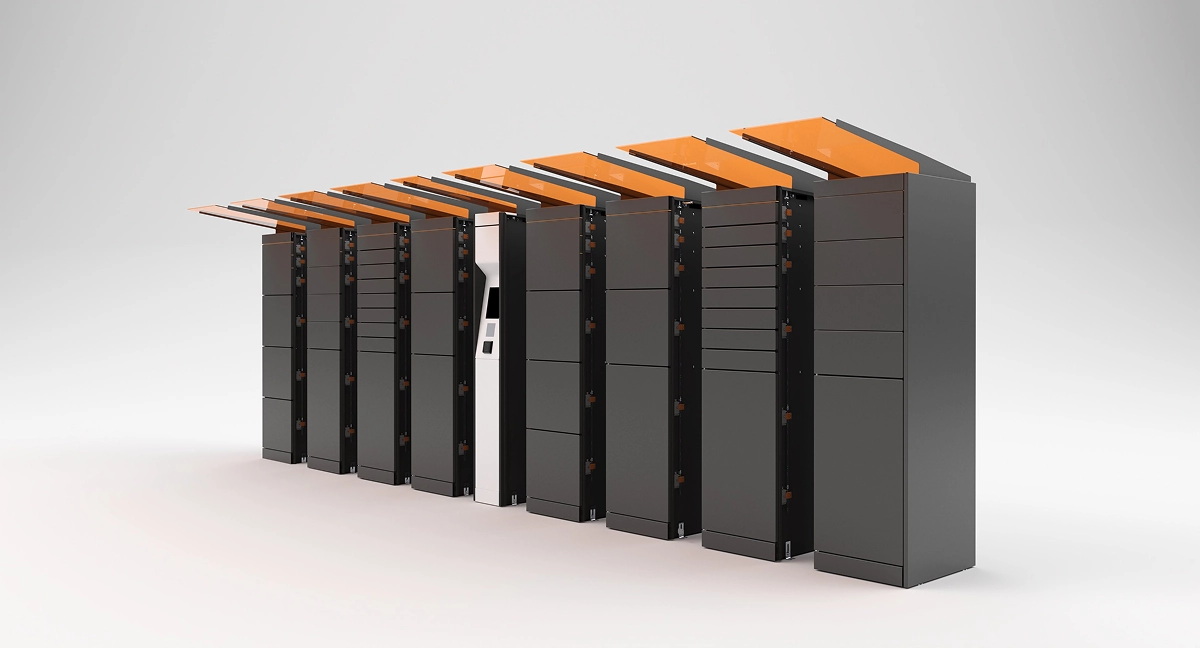
The Smart Locker became a centerpiece of Bloq.it's value proposition, contributing to its consolidation as an international benchmark in smart logistics. Conceived from the outset as a modular infrastructure, it remains ready to grow through the addition of new modules, adaptation to different urban contexts, and integration into logistics, retail, and circular economy ecosystems. More than just a piece of equipment, it stands as a structural element of the digital city.