Sleep apnea is a chronic condition affecting millions worldwide, often remaining underdiagnosed due to the complexity and cost of traditional diagnostic methods. It is estimated that a large portion of cases go unidentified due to a lack of accessible and scalable monitoring solutions.
The Netsensing project was born with the goal of making sleep apnea diagnosis simpler, more accessible, and more efficient. In collaboration with PLUX Biosignals, an expert in physiological sensor platforms, Everythink participated in the development of a wearable medical device capable of monitoring and processing physiological signals during sleep, enabling sleep apnea testing in a home environment.
The challenge was to develop a device capable of performing Home Sleep Apnea Tests (HSAT) in a comfortable, reliable, and accessible way, while maintaining clinical rigor and physiological analysis capabilities.
The system had to collect and interpret multiple physiological signals, such as thoracic and abdominal breathing, oxygen saturation, heart rate, and body position, and transform them into actionable information for healthcare professionals.
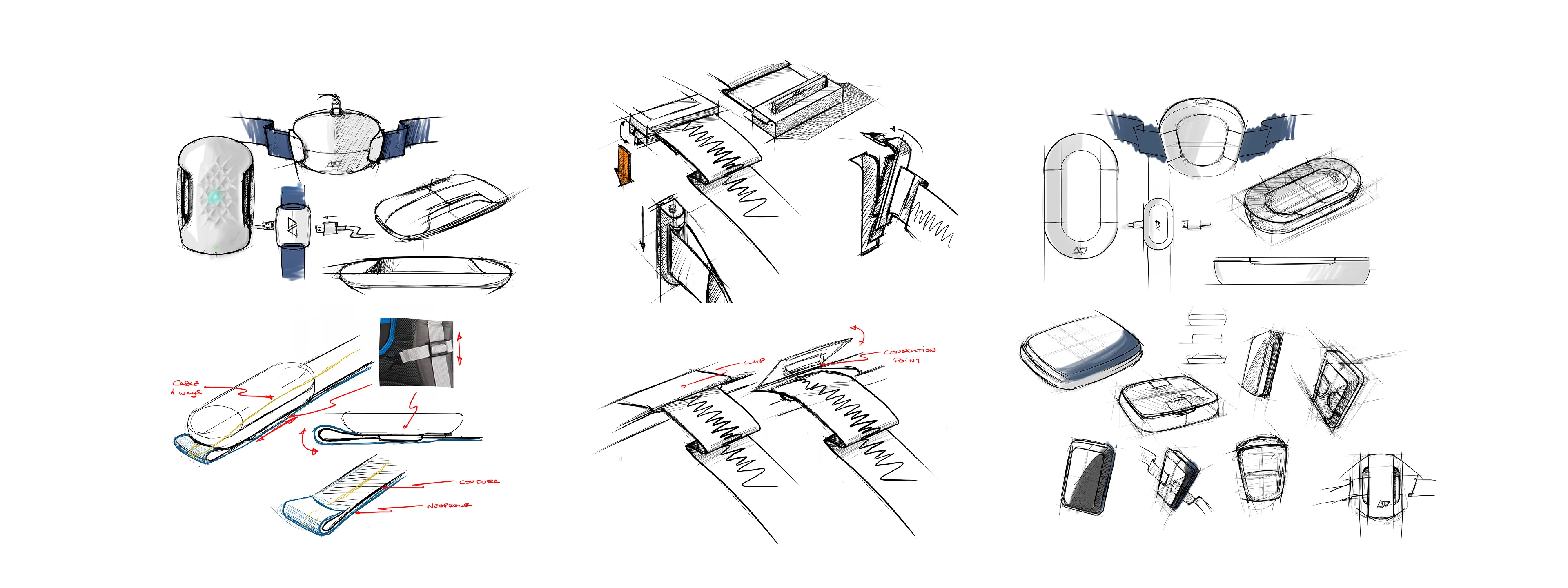
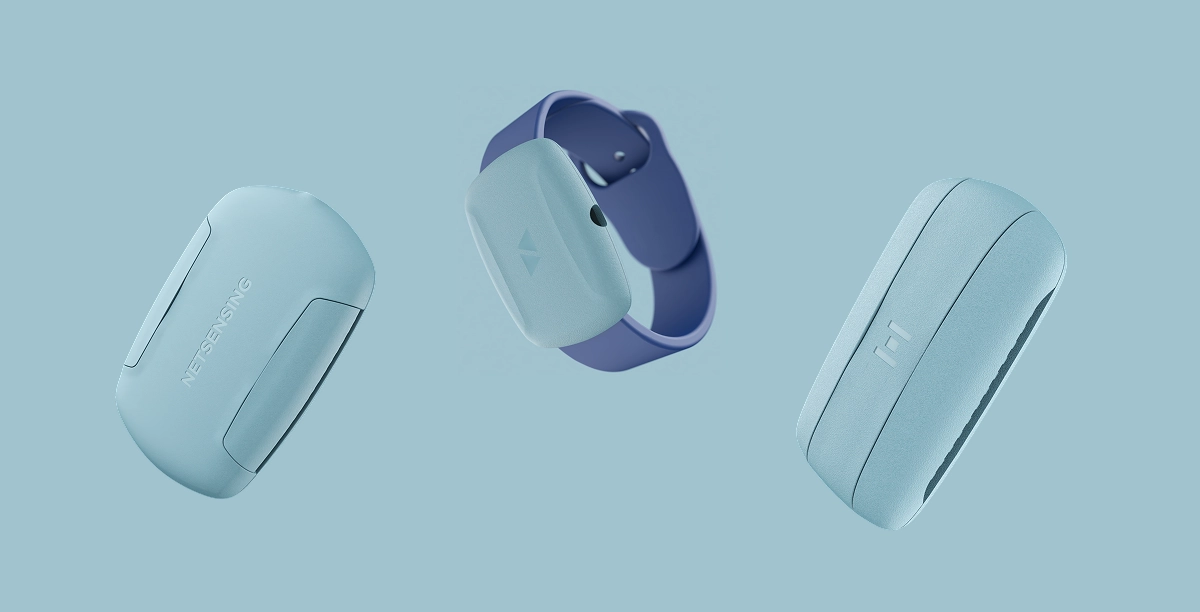
Everythink worked on the product development in close collaboration with PLUX Biosignals, whose expertise in physiological sensors and biosignal acquisition platforms allowed for the creation of a robust technological architecture for the device.
The project integrated product design, hardware engineering, and the development of solutions for biomedical data acquisition and processing.
The result was a Home Sleep Apnea Testing (HSAT) device capable of monitoring various physiological parameters during sleep and processing the data in real time using a patented signal fusion method.
The collected information allows for the generation of clinical reports that support healthcare professionals in identifying and evaluating sleep apnea.
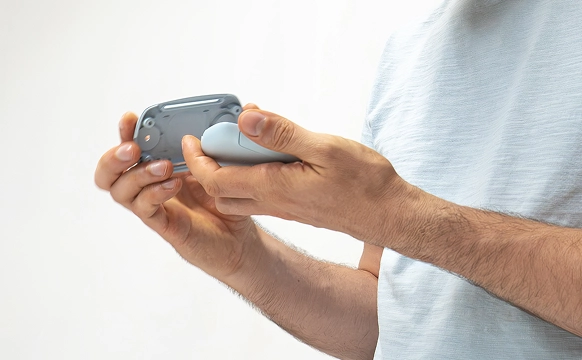

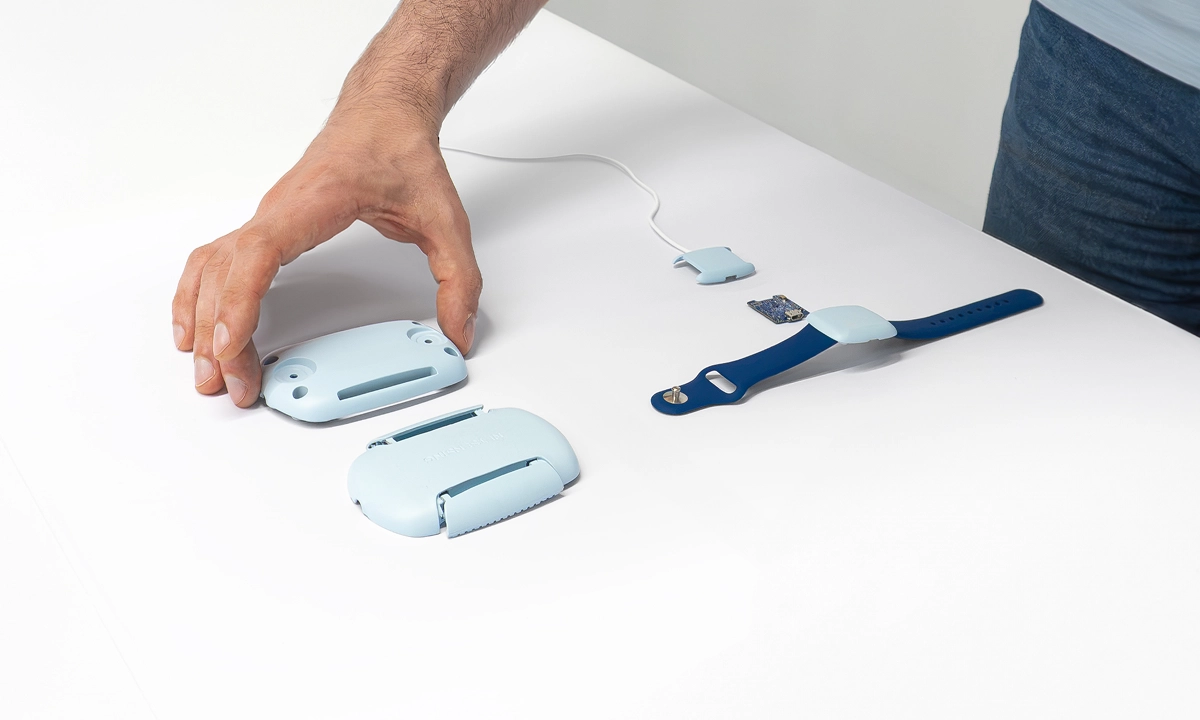
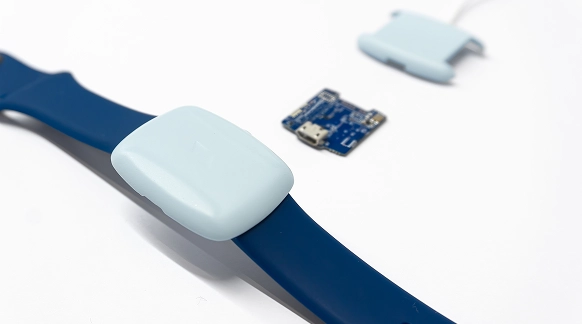
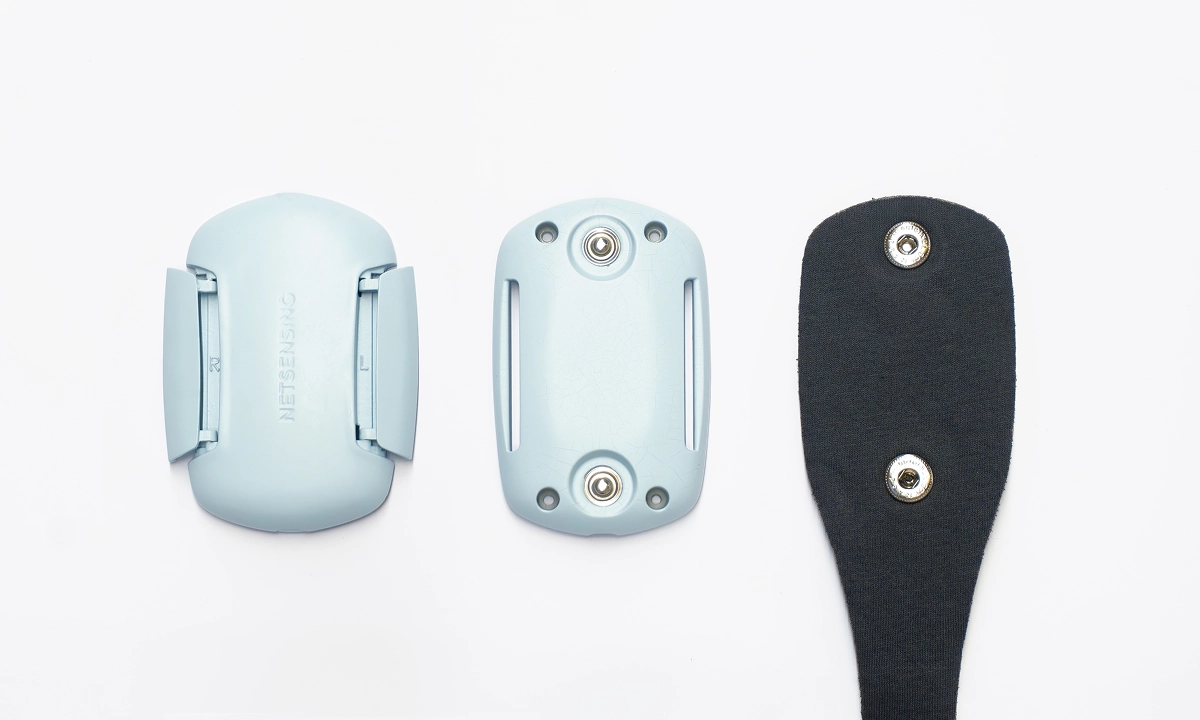
By reducing the complexity and cost of the monitoring process, Netsensing helps make sleep apnea diagnosis more accessible and scalable.
The project demonstrates how the integration of design, engineering, and biomedical technology can create new tools to improve access to diagnostics and support the evolution of digital medicine.