Aviation is facing one of its greatest challenges: continuing to provide fast and efficient mobility while drastically reducing its environmental impact. For short-haul regional connections, where current models are often polluting and inefficient, it is necessary to develop entirely new solutions. It was in this context that the Electron Aircraft project was born.
Electron challenged Everythink to collaborate from the company's earliest moments to develop a fully electric, silent, and zero-emission aircraft capable of carrying up to five passengers or approximately 500 kg of cargo on the same platform. The goal was to create a sustainable solution for flights of up to approximately two hours, balancing performance, versatility, and operational viability.
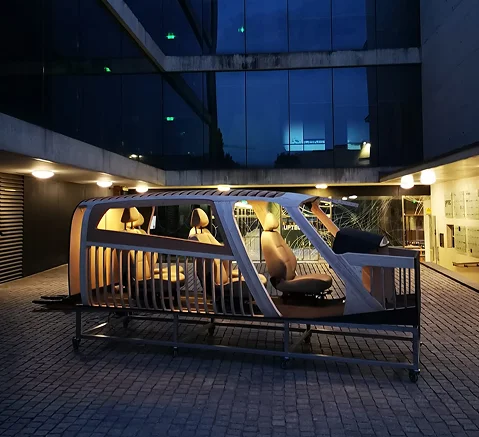
The project began with a structured process of research and strategic design. The Everythink team conducted interviews with international stakeholders linked to aeronautics, mobility, sustainability, and air operations, allowing them to understand the sector's challenges, identify opportunities, and define the essential requirements for the future aircraft. With this knowledge base, the development of the cabin—considered the central element of the project—began.
Through physical models and prototypes, at both reduced and full scale, the flight experience, ergonomics, loading and unloading flows, and, above all, the rapid conversion between passenger and cargo transport were tested. This process allowed for the validation of layouts, access points, volumes, and modularity before moving on to phases of greater technical complexity.
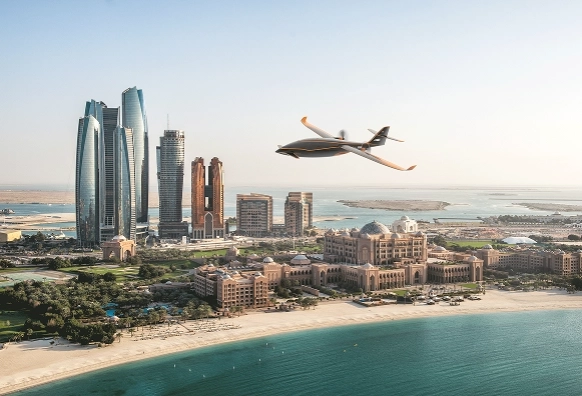

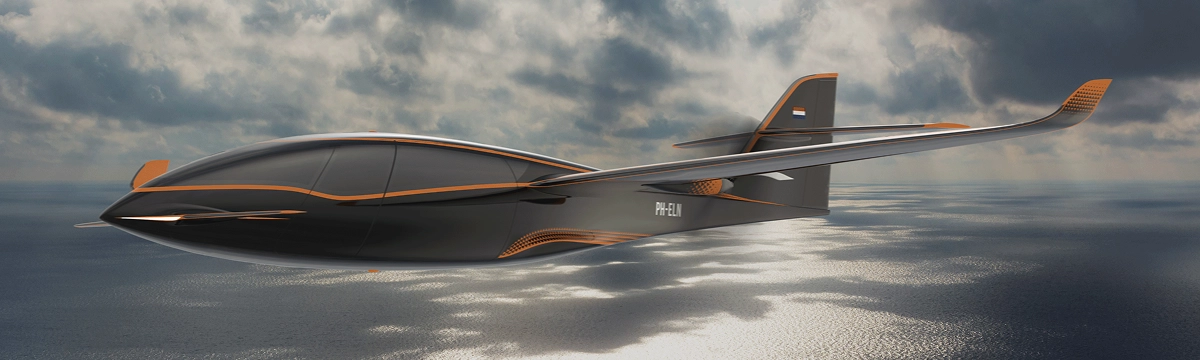
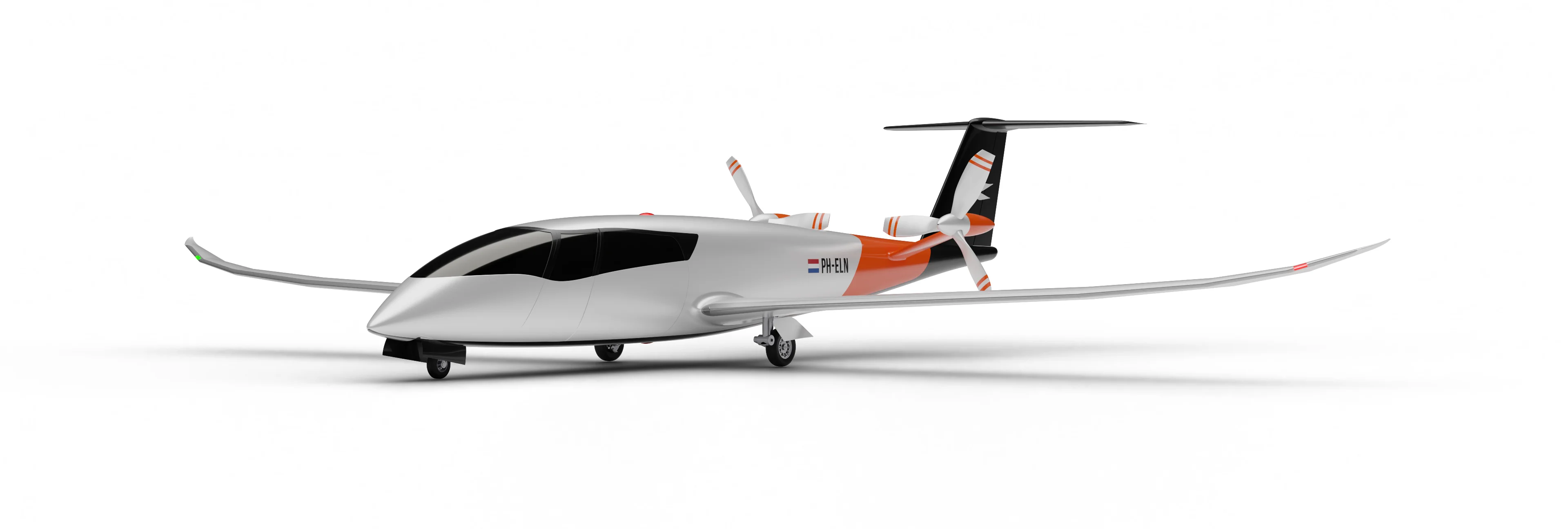
After validating the cabin, development moved on to the design of the fuselage and aerodynamic surfaces. The overall volume was sized to simultaneously meet functional, structural, and performance requirements, balancing aerodynamic efficiency, habitability, cargo capacity, and construction consistency.
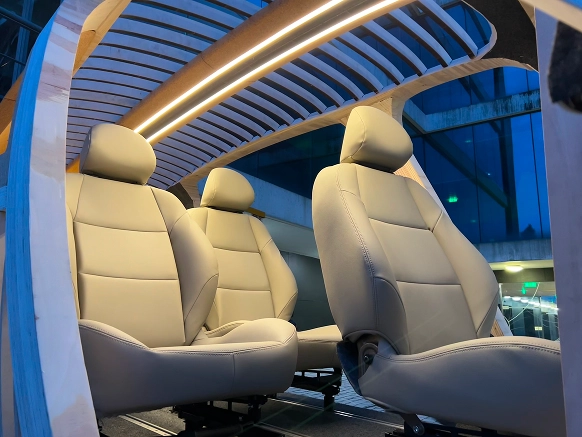
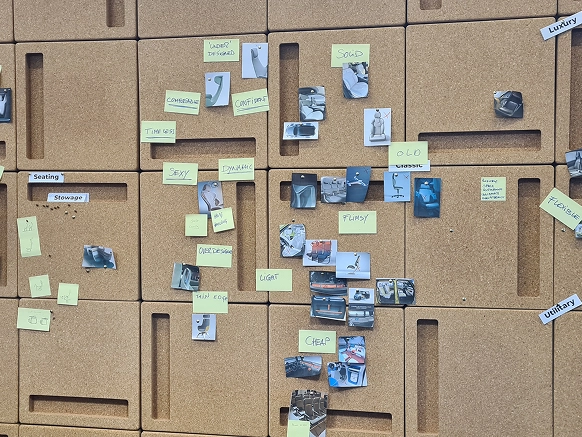
Throughout the entire project, design served as an integration tool between user experience, engineering, and sustainability goals, making it possible to guide technical decisions from the earliest stages of development.
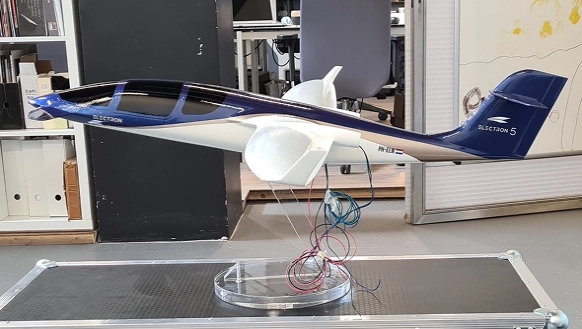
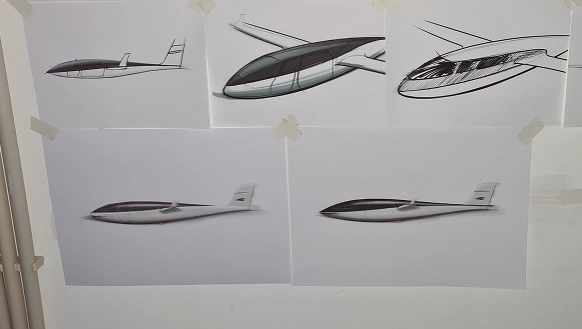

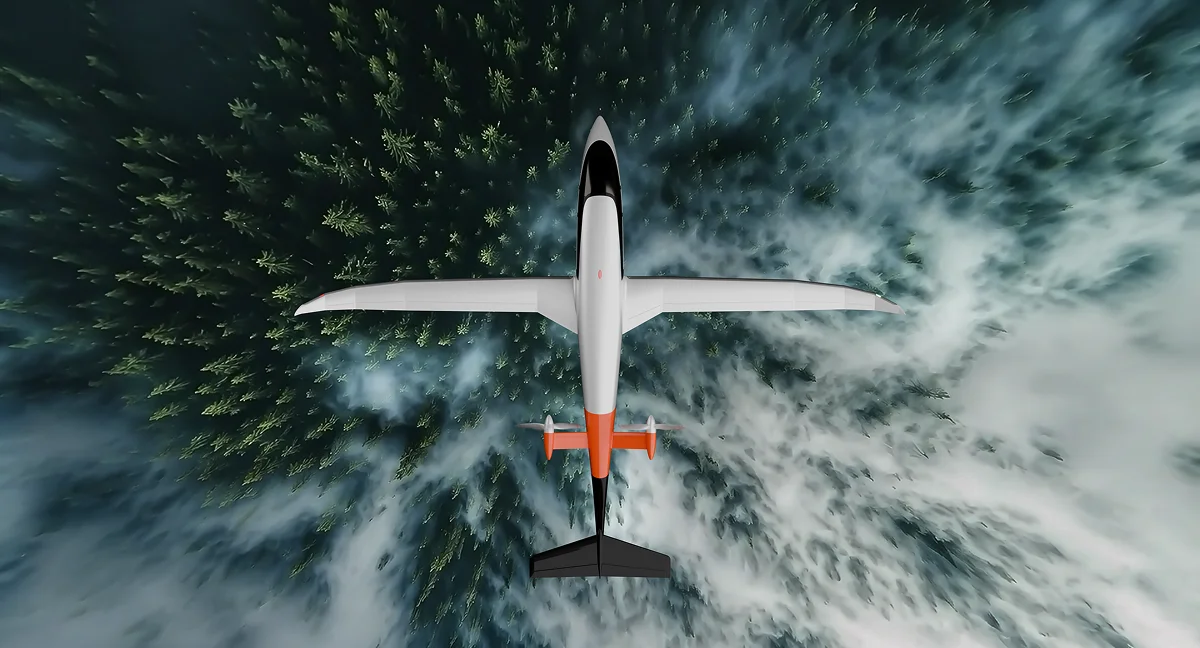
Currently in the engineering phase, the Electron Aircraft is preparing for the next cycles of technical and industrial validation. More than just developing a new aircraft, this project demonstrates how strategic design can contribute to transforming complex systems, creating viable solutions for a new generation of regional air mobility.